
Online Sharing Has Real World Risks
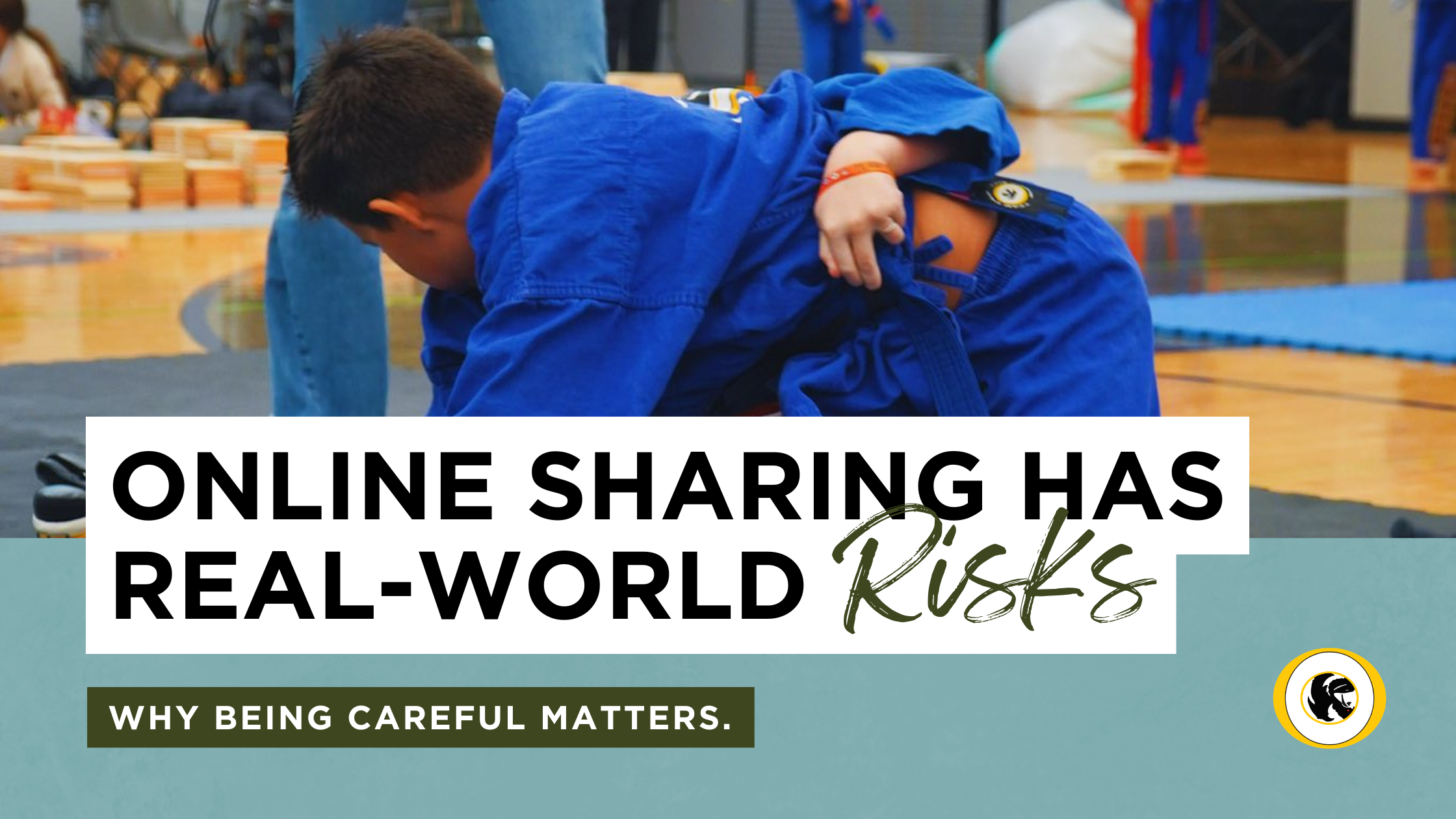
Safety online is not about assuming the worst in people. It is about acknowledging reality.
The internet is not a neutral environment. It is a global, open system where content, once shared, can be accessed by people far outside its original audience. While many who view children’s photos do so harmlessly, not everyone online has good intentions.
Organizations dedicated to child protection report tens of millions of online reports every year related to the misuse or exploitation of children. These reports consistently reinforce one truth: images do not need to be inappropriate to be misused. Please read that again.
This is not about panic or graphic scenarios. It is about understanding exposure.
Every publicly shared image increases reach. Increased reach increases risk. Reducing exposure is one of the simplest, most effective protective measures adults can take.
Safety is proactive, not reactive. Once an image has been copied or redistributed, it cannot be retrieved. At that point, response replaces prevention and prevention is always preferable.
At Team Chip, this decision was not driven by a single incident or headline. It was driven by responsibility. When risk exists and exposure is optional, we believe choosing restraint is wise leadership.
Protecting children does not require describing every possible danger. It requires adults to accept that danger exists, do the necessary research, and to act accordingly.
Limiting public images of children is not fear-based. It is risk-aware. And risk-aware decisions are a huge part of caring well for those entrusted to us.
